Barro Negro: Castor does CDMX
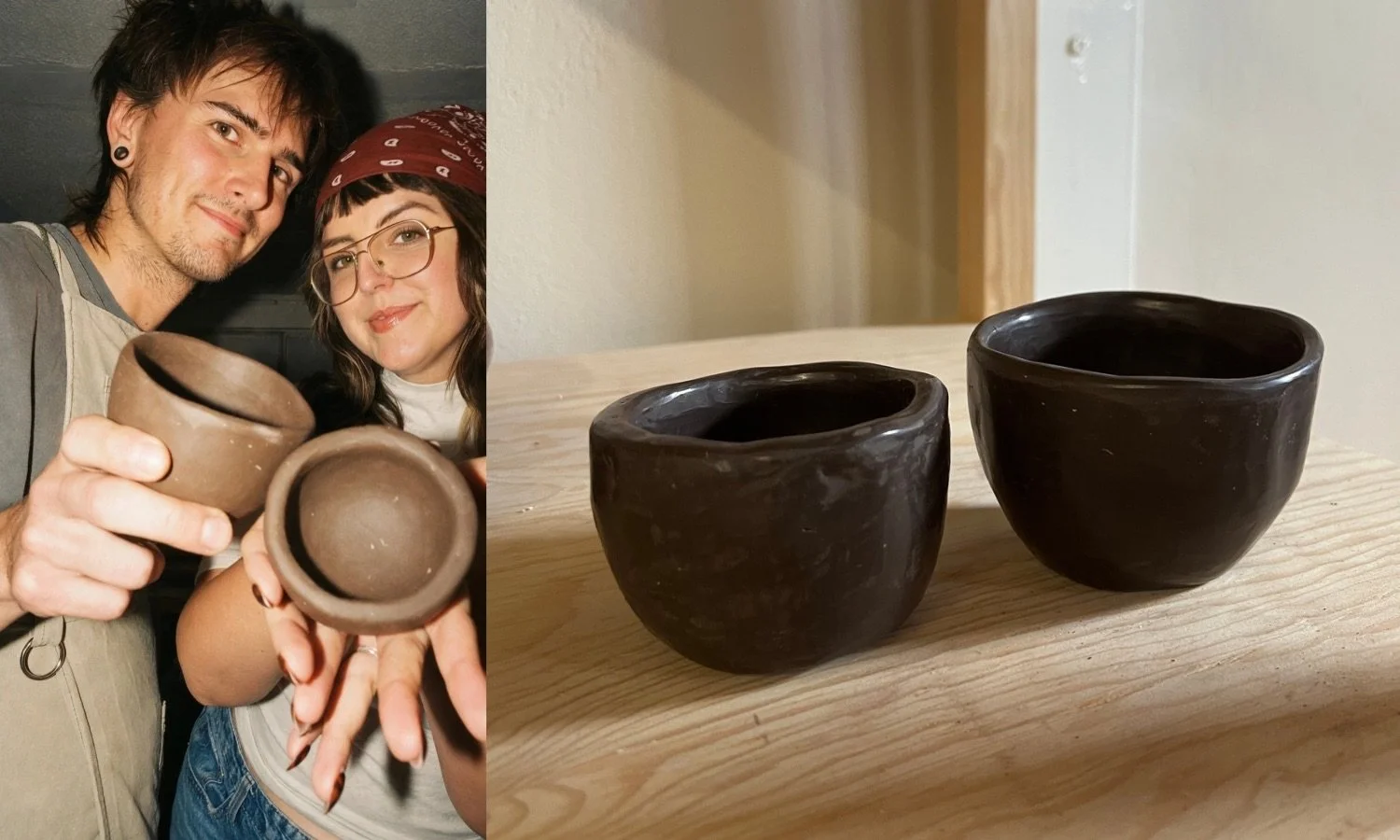
Today, a heavy cardboard box arrived at our studio table, taped securely and stamped with international transit markings. Inside were the finished pieces from our study trip to Mexico City this past summer, a journey that marked a total turning point in how we look at our craft.
For the first time since opening our studio, we packed our bags and headed across borders with a single purpose: to step away from our familiar daily rhythms, sink into a living ceramic history, and learn directly from the keepers of an ancient practice.
Entering the Lineage of Amelia Aquino
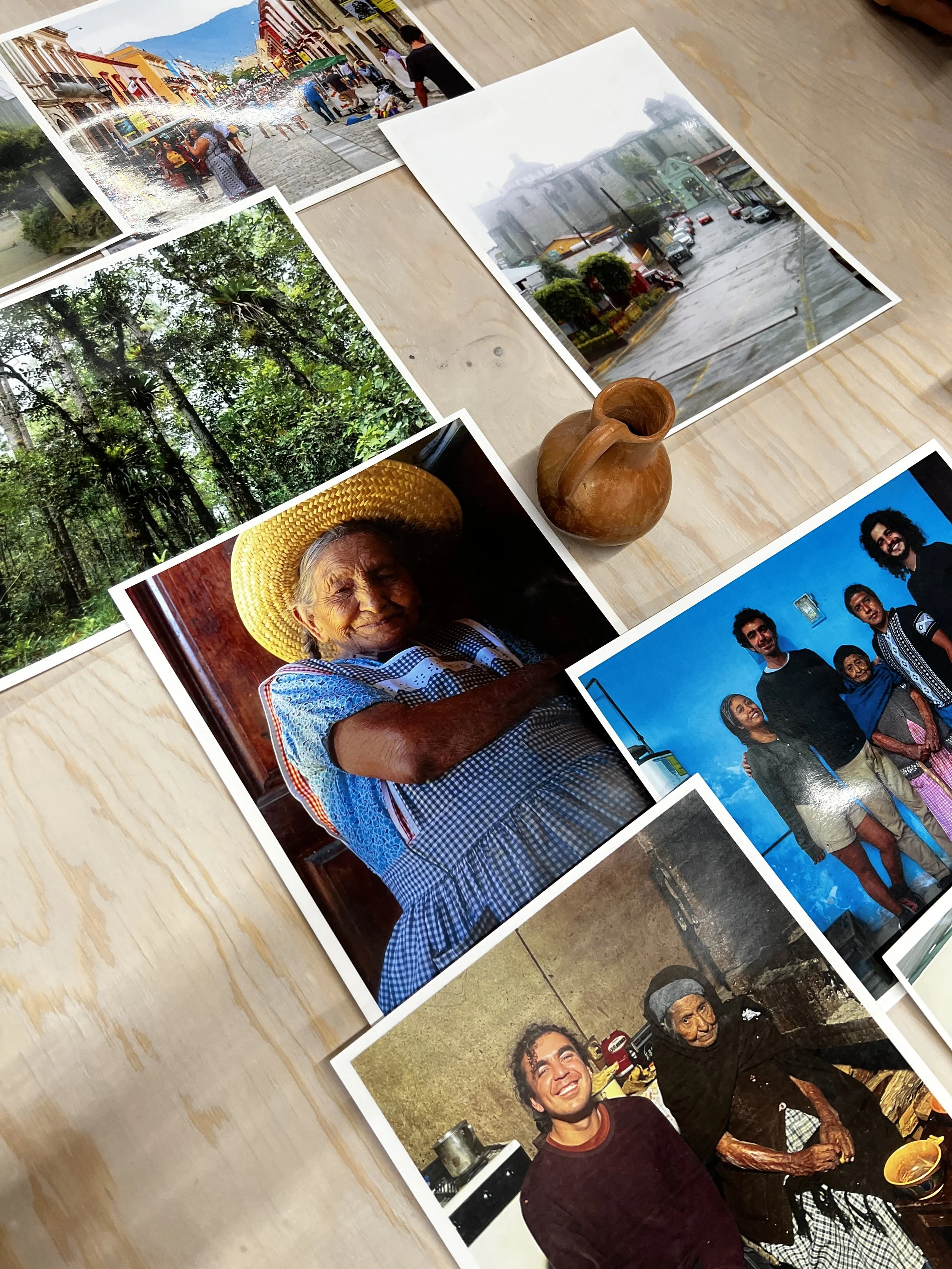
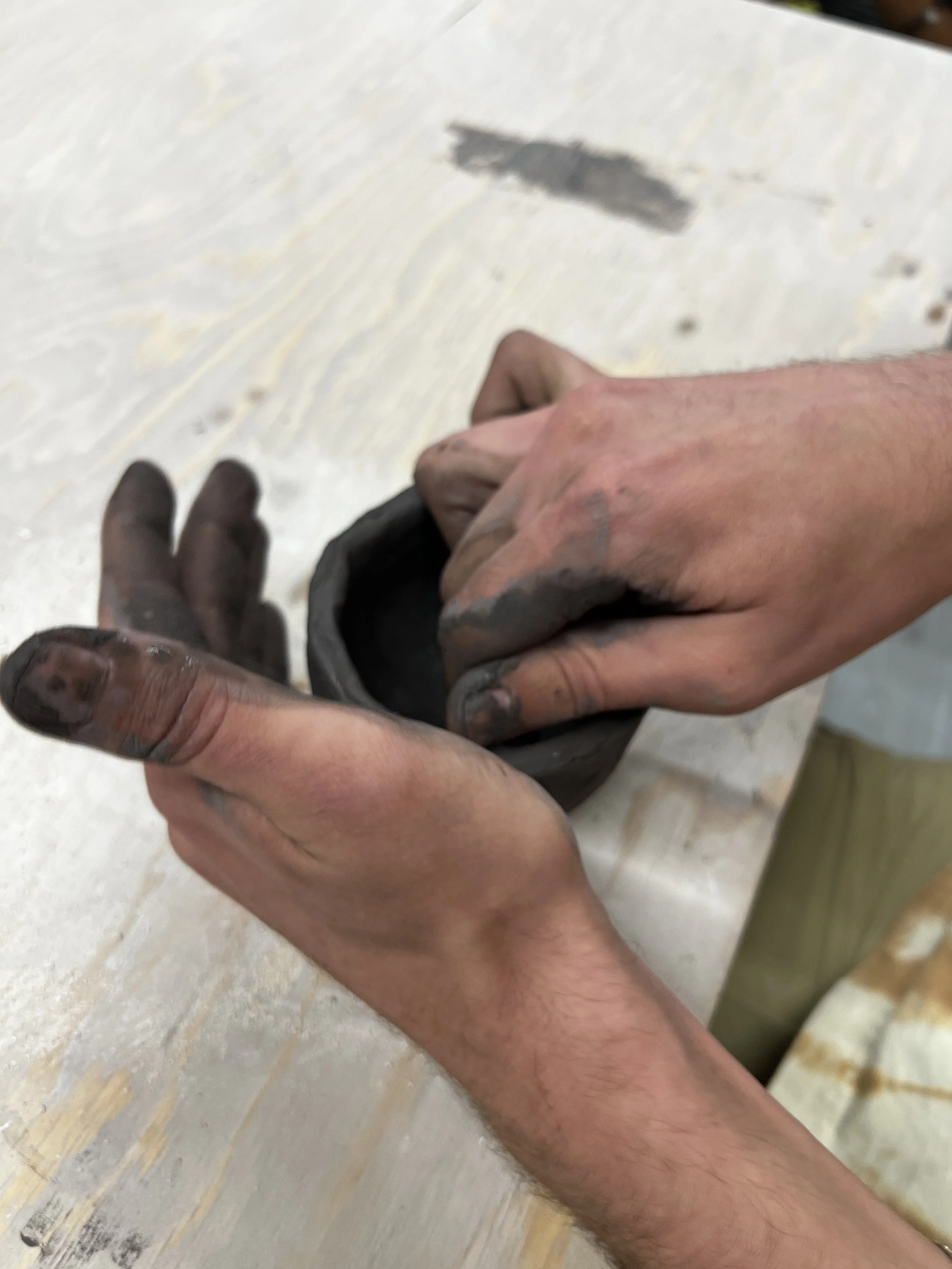
That search brought us to Barro y Metal for a master class with potter Iván Monroy Roesch. Sitting down at his studio bench, we quickly realized we were not just taking a technical workshop. We were stepping into a quiet, living lineage.
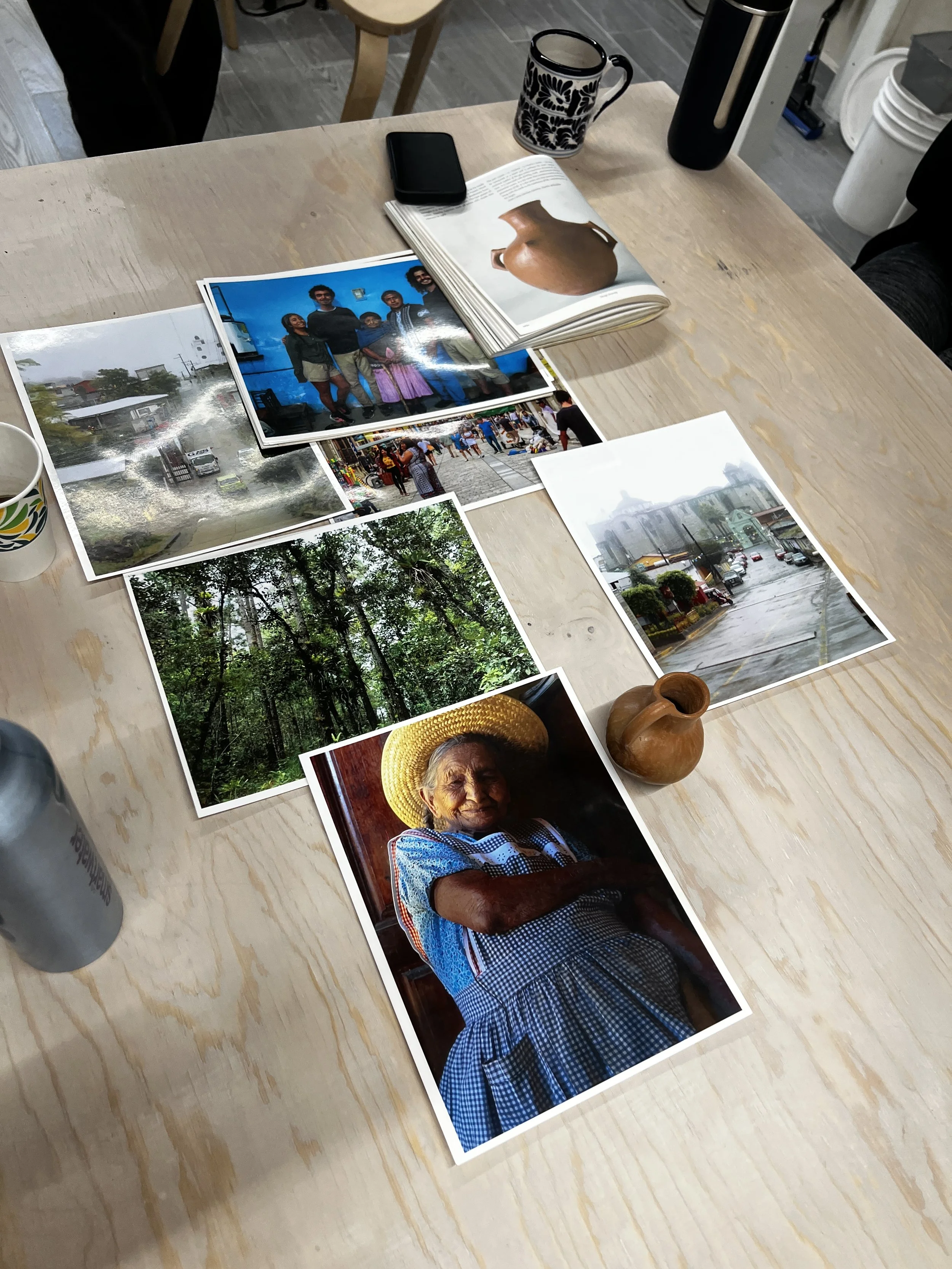
Iván spent years in the mountains of Ixtlán de Juárez, Oaxaca, learning directly alongside Amelia Aquino. When Amelia passed away in 2025, her village lost its last traditional master potter. Her life’s work was never documented in books or written down as glaze formulas. It existed purely as an unwritten oral and tactile tradition, living in her hands, her memory, and her spoken guidance.
By studying at her side for years, Iván became a vessel for her unwritten knowledge. Learning these ancestral barro negromethods from him felt like holding onto a fragile thread of history that almost disappeared.
The Art of the Stone: Sealing Clay Without Glaze
Traditional barro negro completely defies modern studio conventions. Typically, we rely on liquid glazes made of minerals and silica that melt in high-heat kilns, forming a protective layer of glass over porous clay.
Amelia’s ancestral technique bypasses glazes entirely.
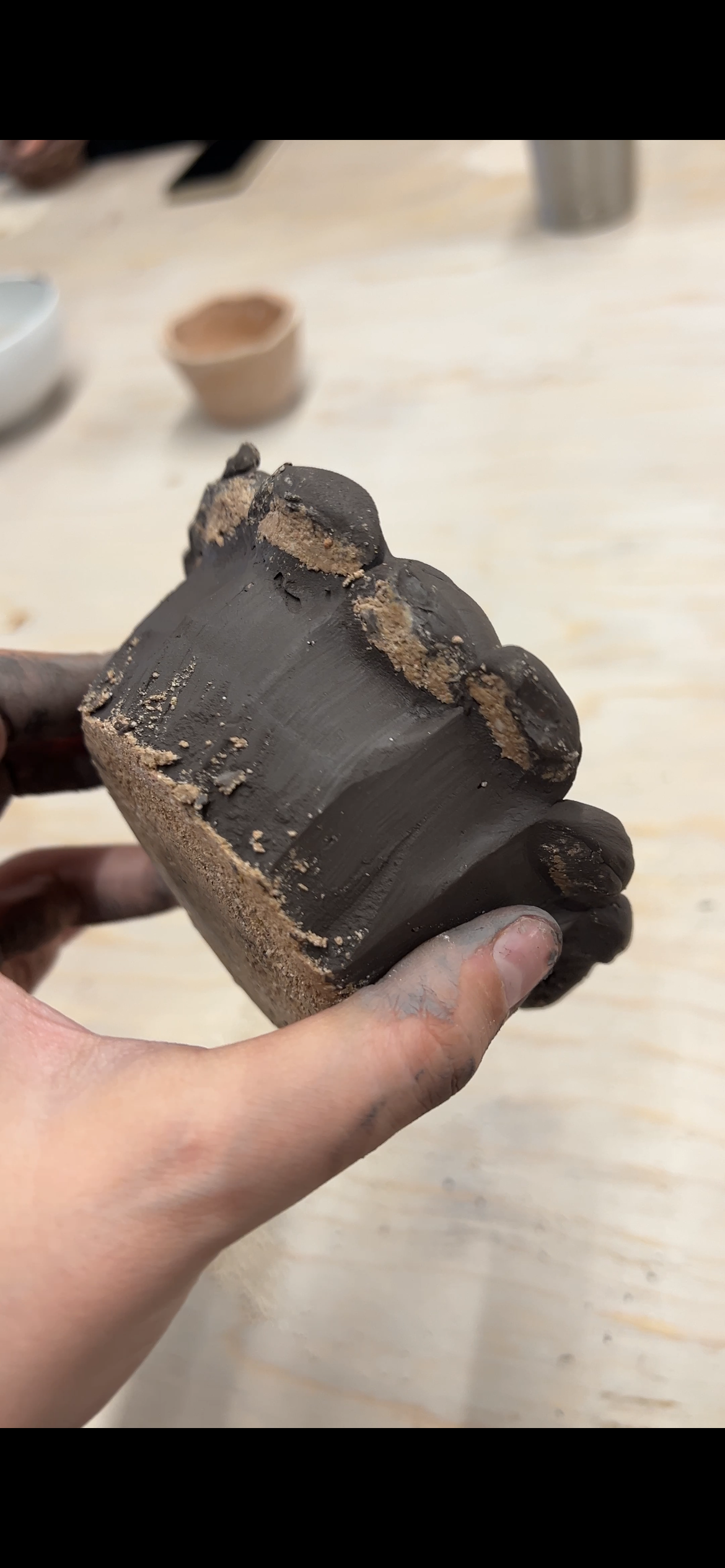
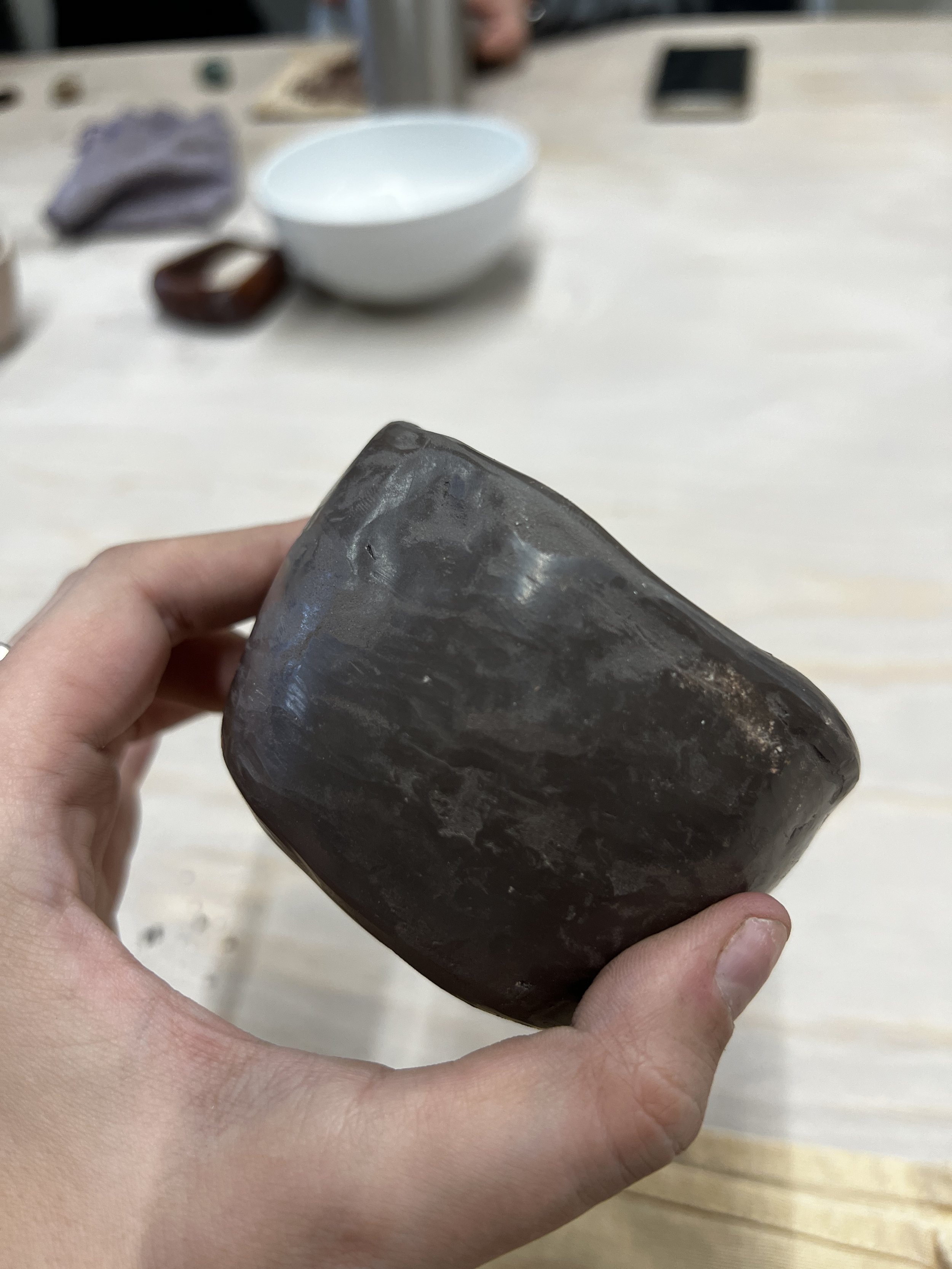
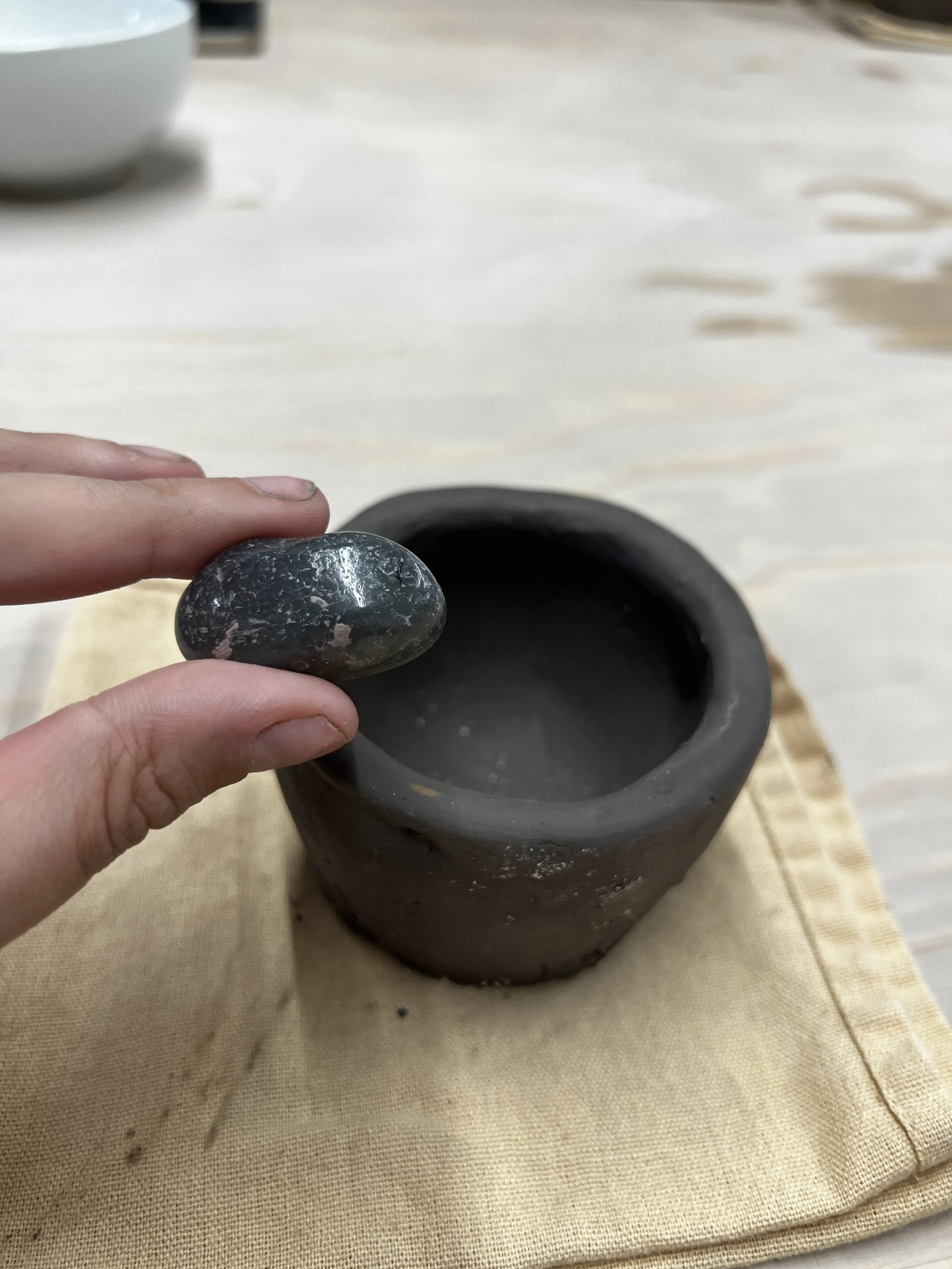
While the bare clay sits at a precise leather-hard stage, you take a single, smooth semi-precious stone and hand-burnish the surface for hours. Through sheer mechanical friction, the stone crushes the microscopic clay particles together, compacting the outer walls until the bare earth becomes naturally water-tight and food-safe. The velvety, shadow-black finish is not applied from a bottle. It is produced later during an oxygen-starved wood firing, where carbon and smoke become permanently trapped inside the compressed clay body.
Sitting at the bench and feeling the subtle shift in resistance as stone pressed into raw earth was a lesson in patience. You cannot rush it. It demands total presence.
Life Outside the Workshop
Pottery never exists in isolation. The hours we spent at the studio bench were shaped by everything happening around us in Mexico City, starting with our home base in Condesa.
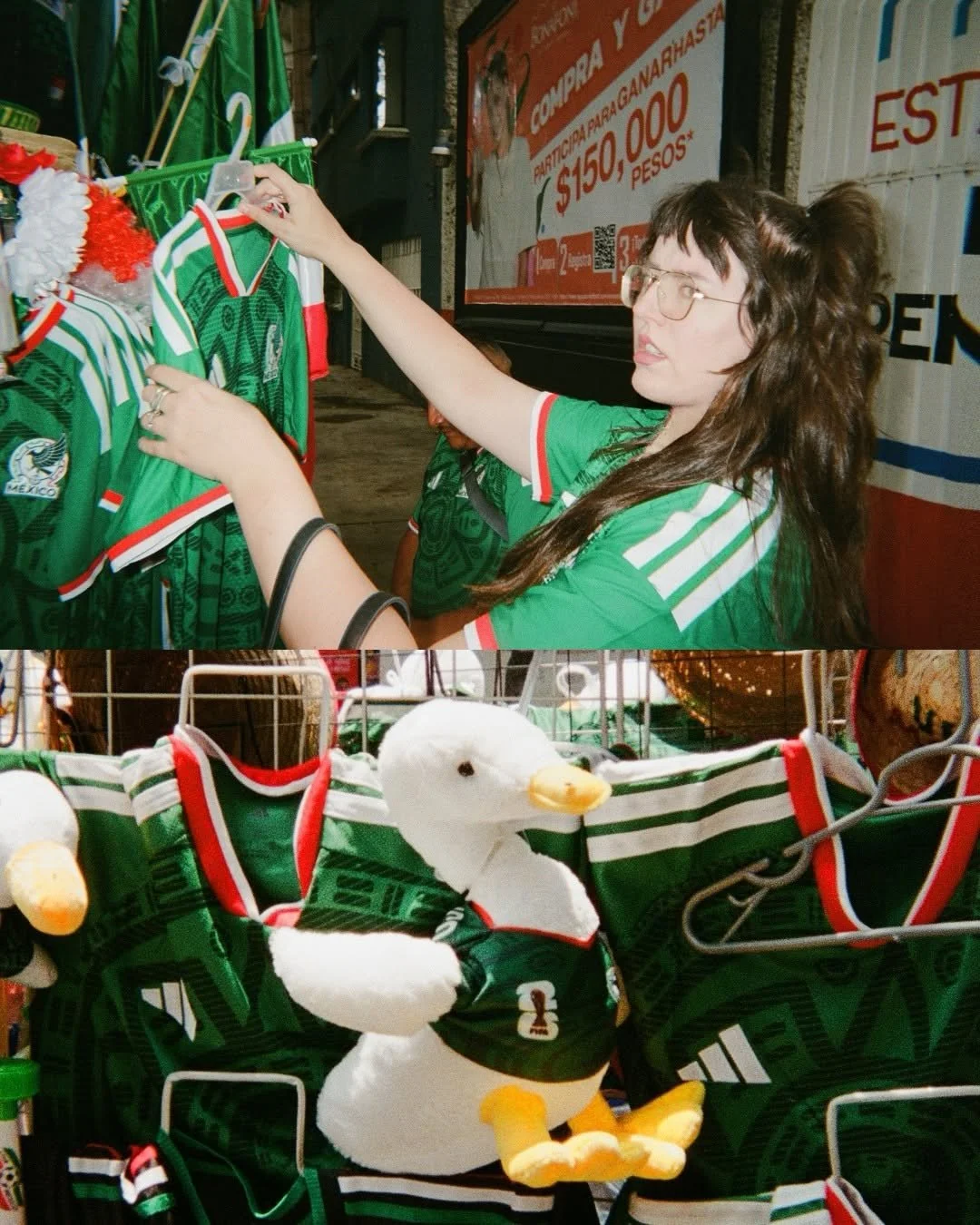
Landing in the city right in the middle of the FIFA World Cup gave every street an electric, communal pulse. One afternoon, ducking out of the heat to catch the Mexico versus England match, David and I wandered into a nearly empty Chinese restaurant. We ended up sitting over plates of dim sum, glued to a small television alongside the waitstaff and line cooks. It was not the match outcome any of us were hoping for, but sharing that tense, collective hope over dumplings became one of those unplanned moments that anchors a trip in your memory.
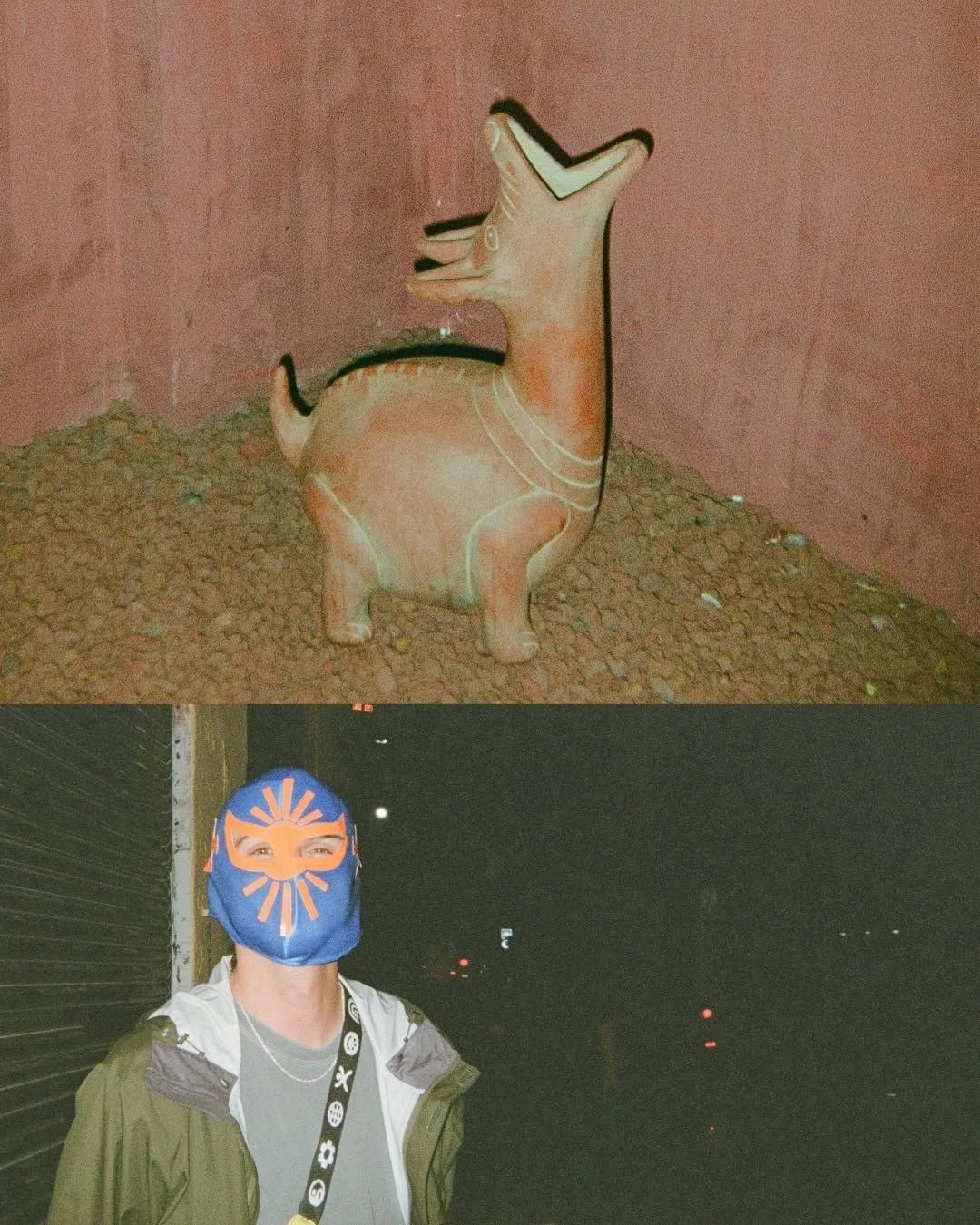
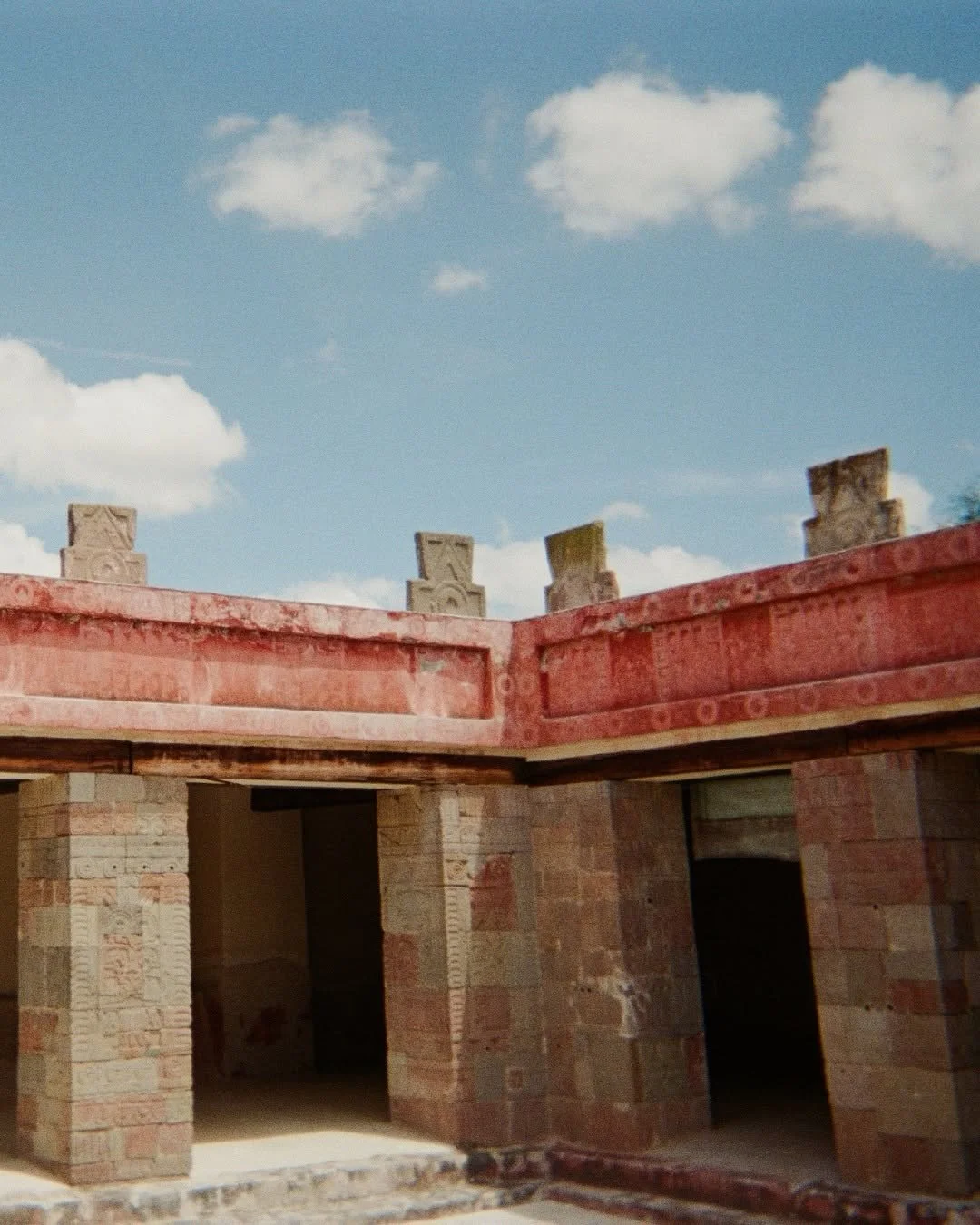
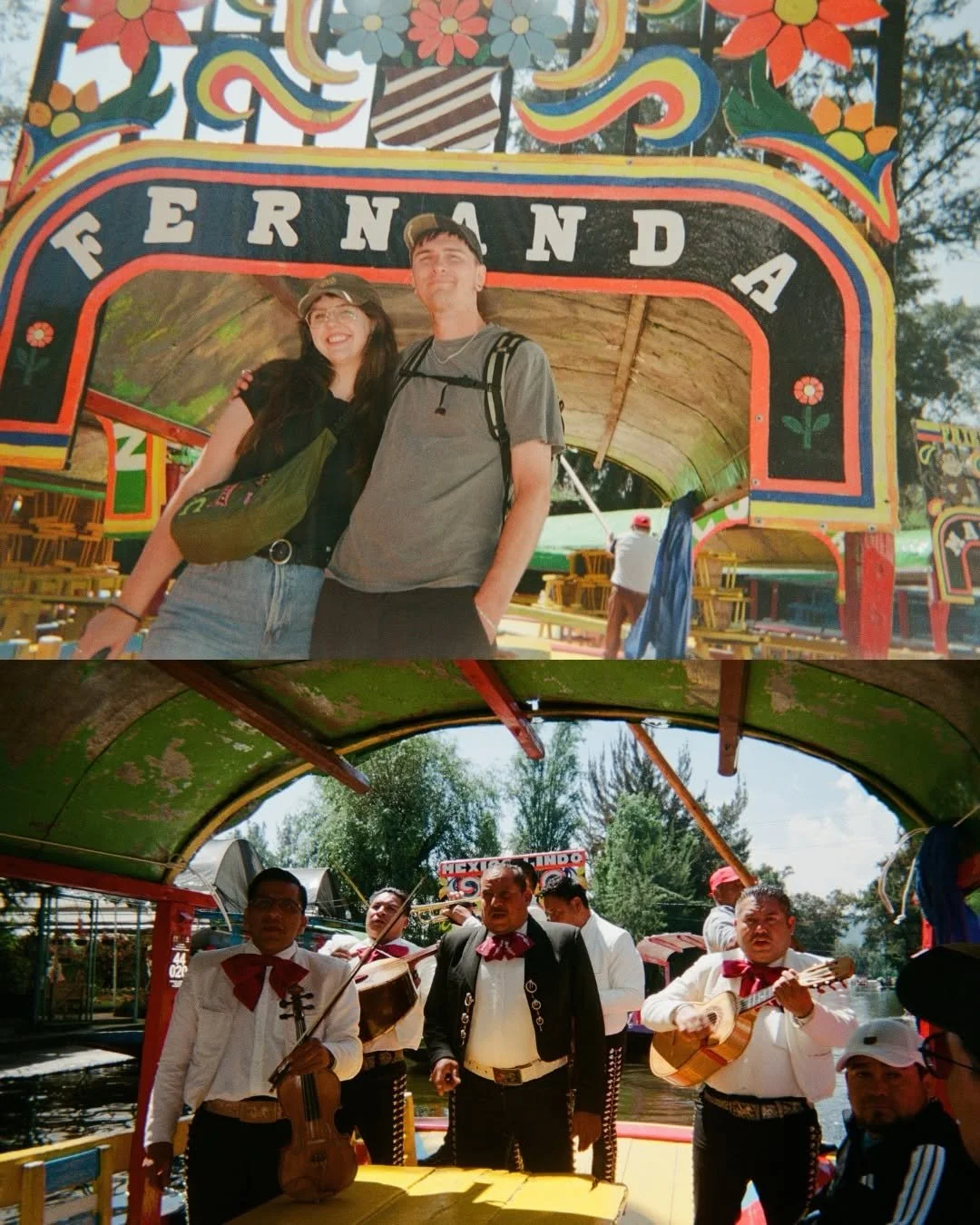
Between studio sessions, we immersed ourselves in the city's broader artistic and cultural landscape. We spent hours studying pre-Hispanic forms in museum collections, floating down the ancient canals of Xochimilco on a trajinera, walking the scale of Teotihuacán, and cheering until our throats were raw at a wild Lucha Libre match.
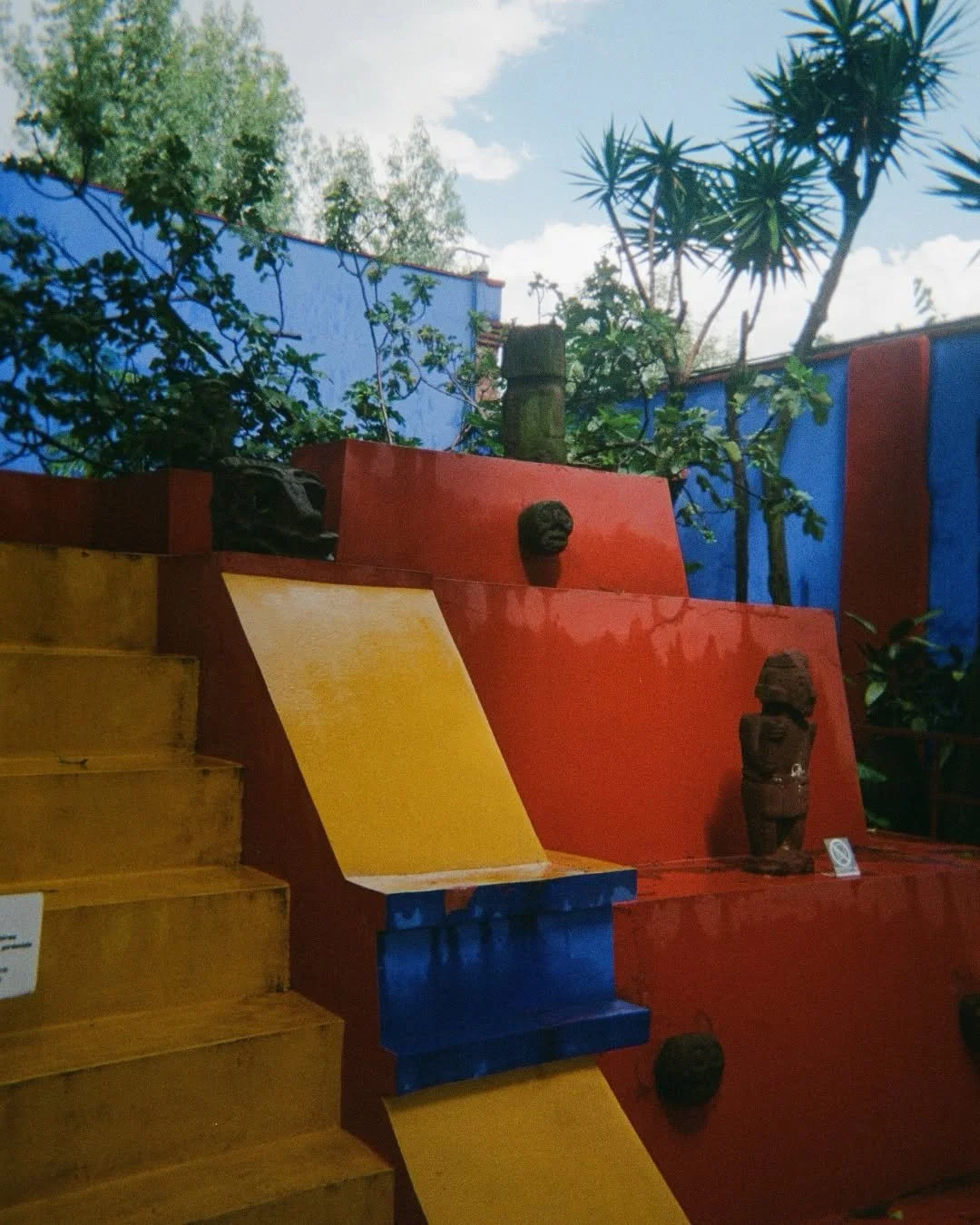
Visiting Frida Kahlo's home, La Casa Azul, in Coyoacán hit me harder than I expected. Seeing her personal tools, raw hand-mixed pigments, and the intimate room where her pain and identity were poured straight into her work reconnected us with why we fell in love with tactile art in the first place.
The food culture carried that same reverence for process. Three meals in particular stood out above everything else:
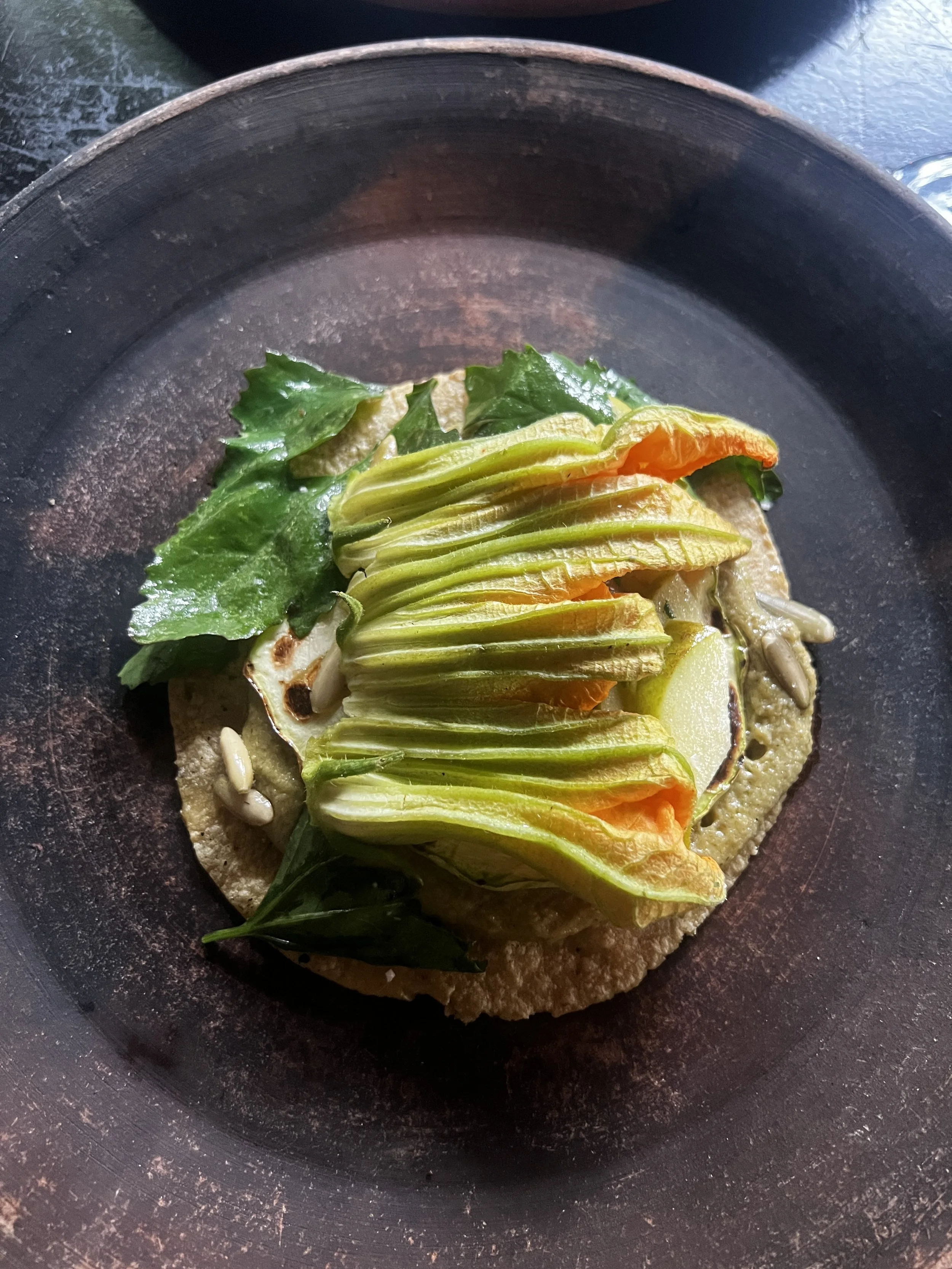
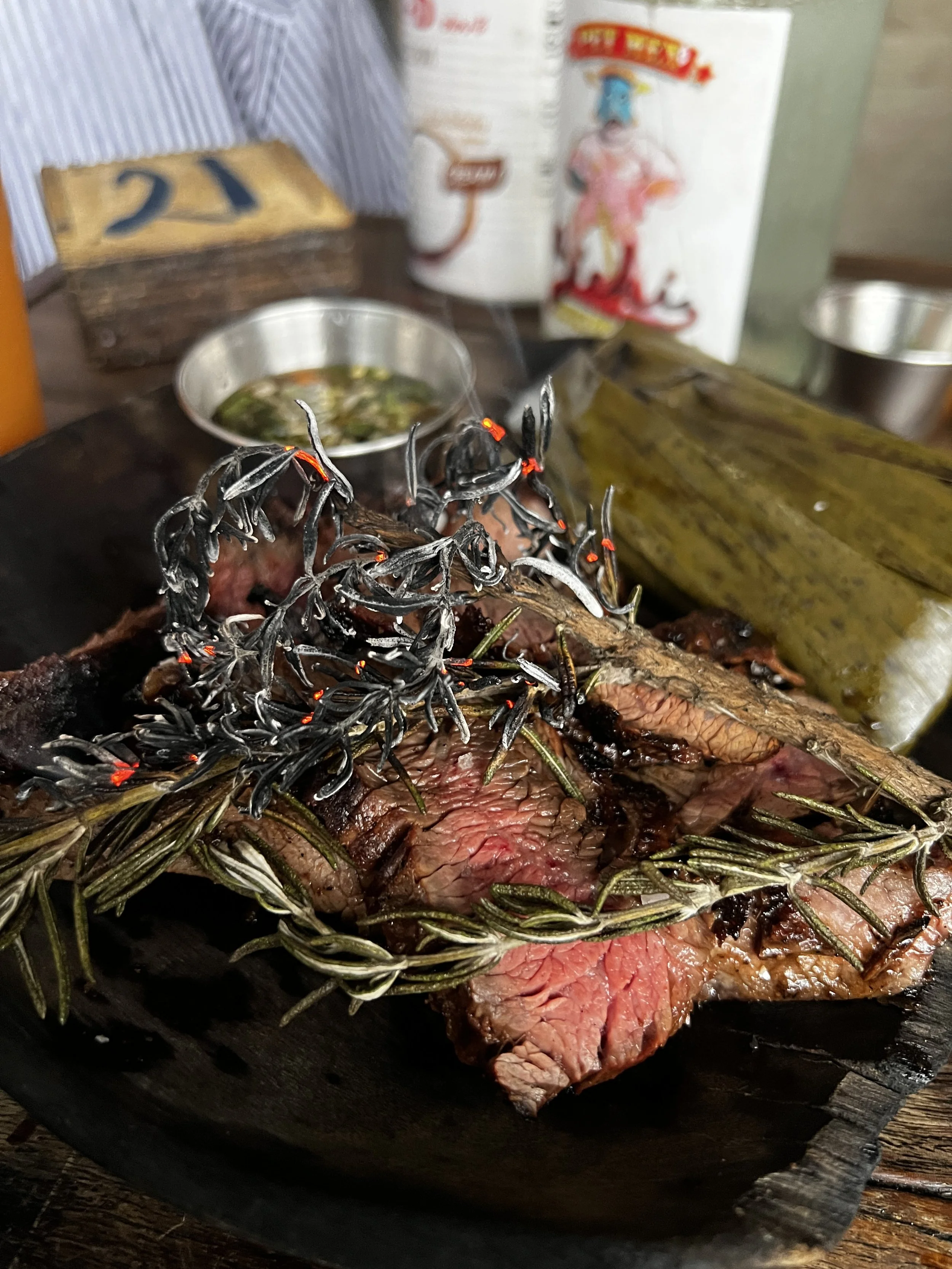
Expendio de Maíz: An extraordinary corn workshop operating with zero written menus. You just sit down, and the kitchen serves dish after dish centered on heirloom corn varieties, native ingredients, and open-flame cooking.
Choza: A vibrant rooftop spot serving bold, smoked Thai-Mexican fusion that completely redefined flavor crossover for us.
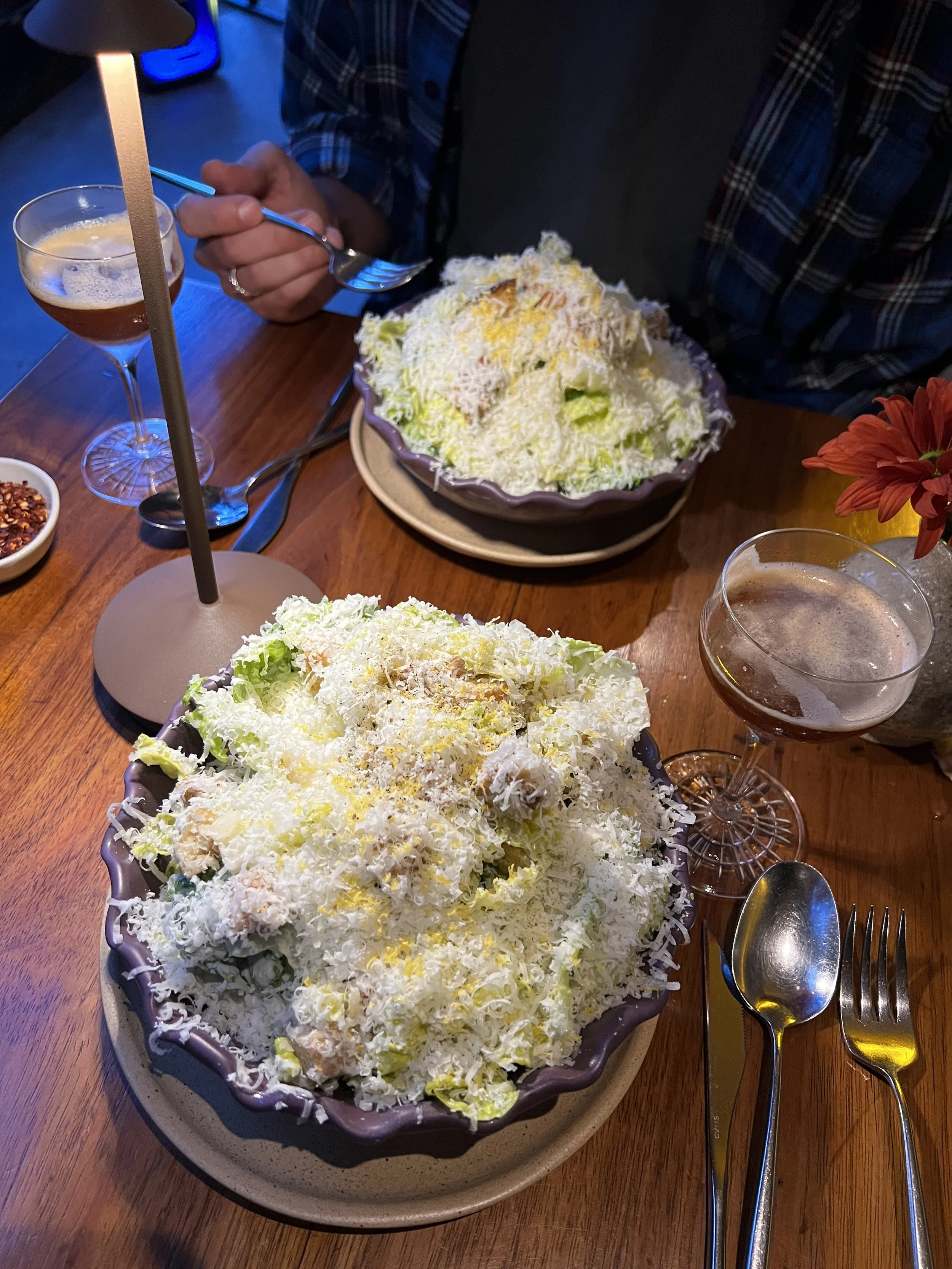
Anónimo: A cozy bistro where we had the single best Caesar salad of my life, paired with incredible natural wines and handmade pasta.
Bringing the Knowledge Home
Unwrapping those burnished cups in our studio today brought the entire journey back in an instant. Running a thumb along their dark, satin rims, you can feel the exact motion of the stone. It is not a coat of glass sitting on top of the clay. It is the clay itself.
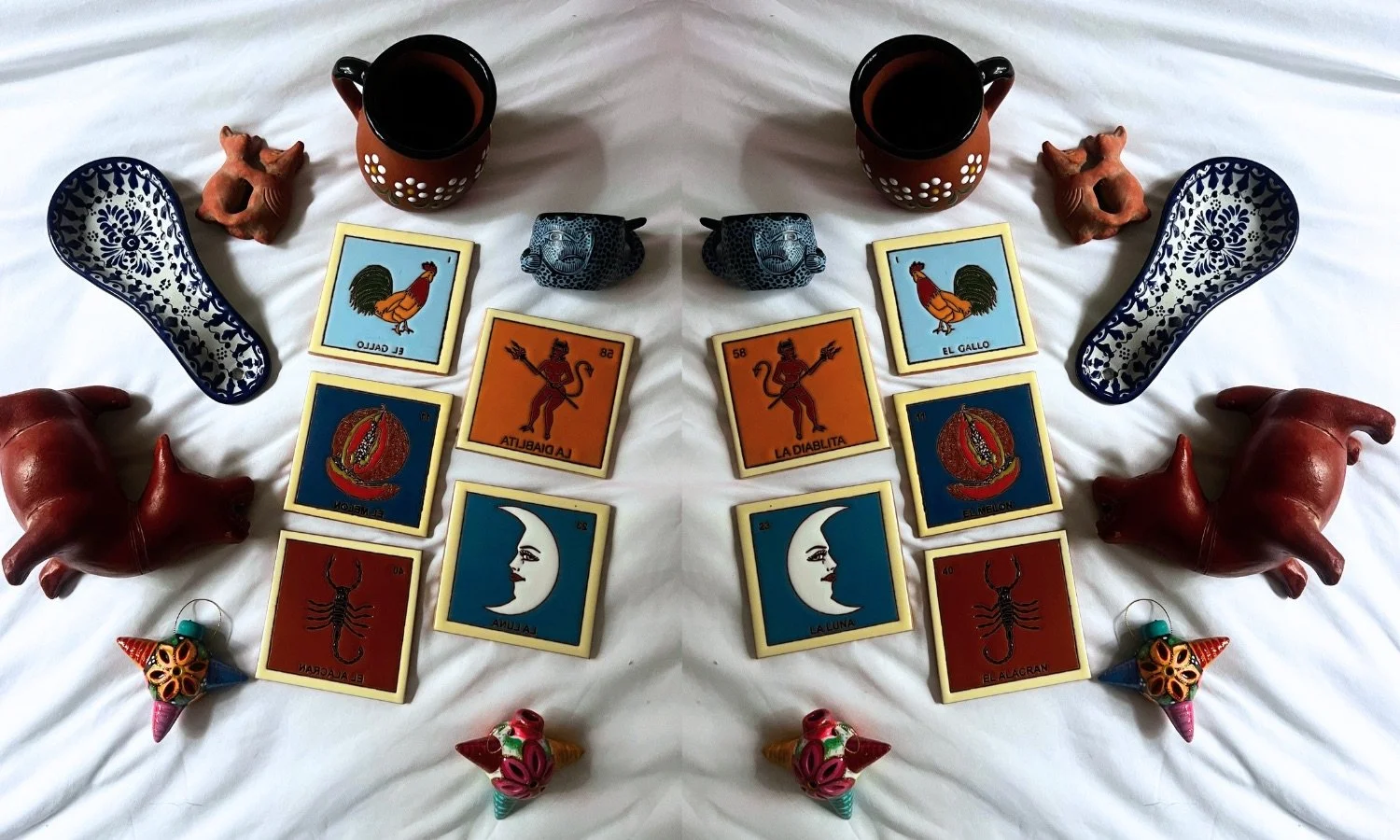
They now sit on our shelves alongside the other ceramic pieces we gathered while exploring the city: a hand-painted blue and white Talavera spoon rest, a set of ceramic Lotería tiles featuring El Gallo, La Diablita, La Luna, El Melón, and El Alacrán, a classic terracotta cantarito mug, and a few small hand-formed clay whistles and star ornaments.
Right next to them are two hand-sculpted terracotta Colima dog figures, modeled after the ancient Xoloitzcuintli guides of West Mexico, and a jaguar espresso cup finished in a deep blue and black glaze. That jaguar cup comes from the artisan women of Amatenango del Valle, Chiapas, who have passed their pinch-pot and sculpting wisdom down through generations. In Mayan tradition, the jaguar represents protection and the night, making a cup like that deeply tied to traditional cacao rituals and local heritage.
Looking at all of these pieces together on our studio table, they feel less like souvenirs and more like reminders of our responsibility as makers to respect the roots of our craft. Each object carries a distinct technique, a different region, and a different set of hands.
This trip is actively shaping our studio direction. We are currently sourcing authentic barro negro clay bodies and testing ways to incorporate traditional hand-burnishing methods into our upcoming lines of homewares, serving pieces, and decorative vessels. Bringing these stone-burnished surfaces into our daily collection allows us to honor the tactile lessons we learned abroad while expanding the boundaries of our own work.
We are deeply grateful for the journey, inspired by the lineage of Amelia and Iván, and ready to get back to the wheel.